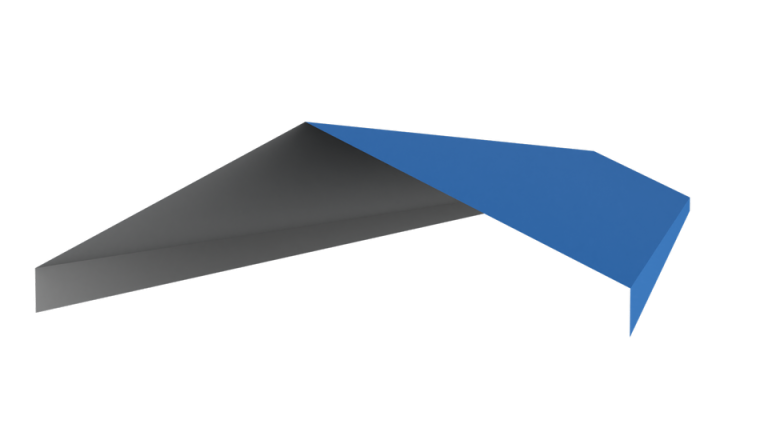
RIDGE PLAIN
Ridging is employed to conceal the space between two sheets at the ridge line of a roof. The term "ridge" in roofing pertains to the highest points formed by the meeting of two roof slopes oriented in opposite directions.
Explore More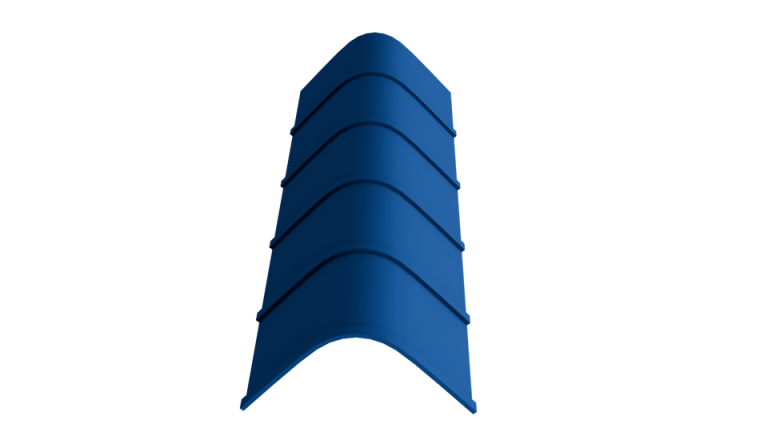
CRIPMED RIDGE
Crimp curving enhances aesthetics. Crimped ridge cover effectively prevents debris, insects, and rain from getting trapped between the panels and ridge cap, maintaining a clean and protected roofing system.
Explore More
Corner Flasing
We has announced the expansion of its solar supply chain finance (SCF) program for PV module manufacturers...
Explore More
GABLE END FLASINH
Gable end flashing protects roofs from water, pests, and debris at the roof's edge. It preserves structure and appearance. Durable materials and proper installation are crucial.
Explore More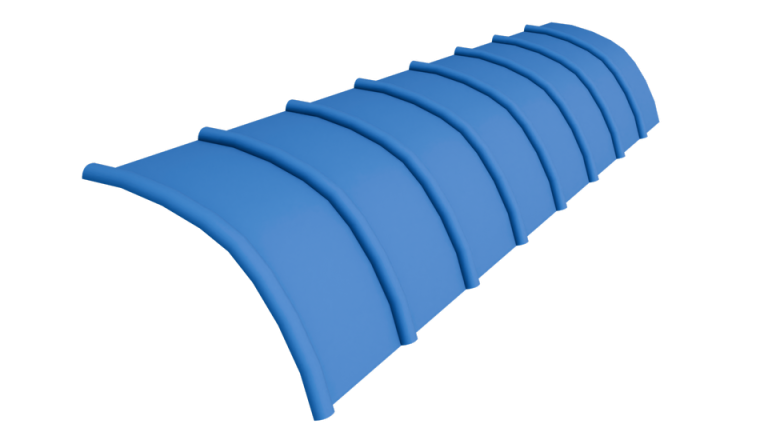
CRIMPED EAVES END
Crimp curving provides a seamless appearance while effectively managing roof transitions and reducing the risk of water infiltration, making it a practical choice for architectural flexibility and weather resistance.
Explore More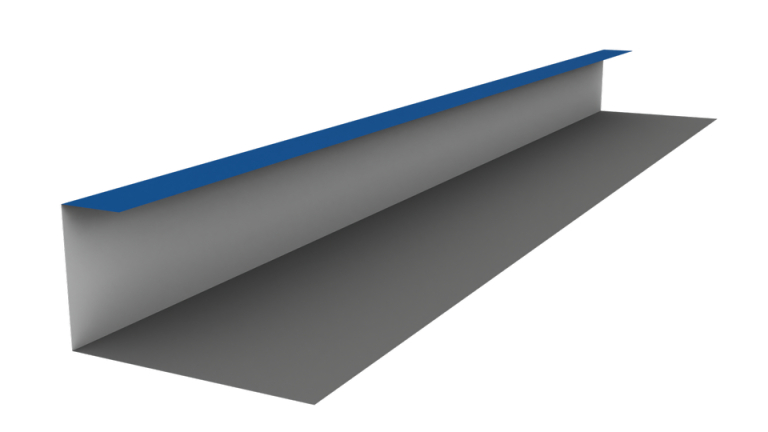
OPENING FLASHING
Flashing is a strip of material used to prevent water penetration at roof junctions with surfaces like walls. Opening flashing captures rainwater in problem areas, directing it away to maintain structural integrity.
Explore More
DRIP FLASHING
Detailed features like drip flashing effectively catch rainwater in problem areas, assisting in diverting rainwater away from the building and preventing water damage, contributing to the integrity of the structure.
Explore More
APRON
It is used for flashing at the junction of a sloped roof's top and a vertical wall, chimney, or steeper-sloped roof, providing crucial waterproofing and weatherproofing at critical roofing intersections.
Explore More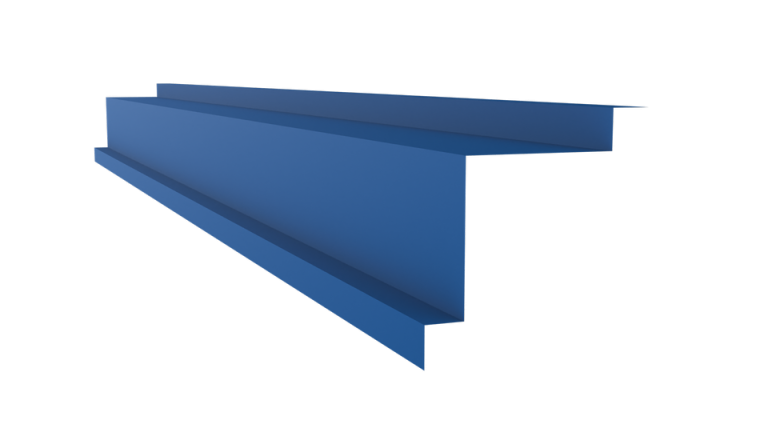
INTERNAL CORNER FLASHING
Features like Internal Corner flashing greatly help direct rainwater away from the building to the desired distance, ensuring effective water management and reducing the risk of water damage.
Explore More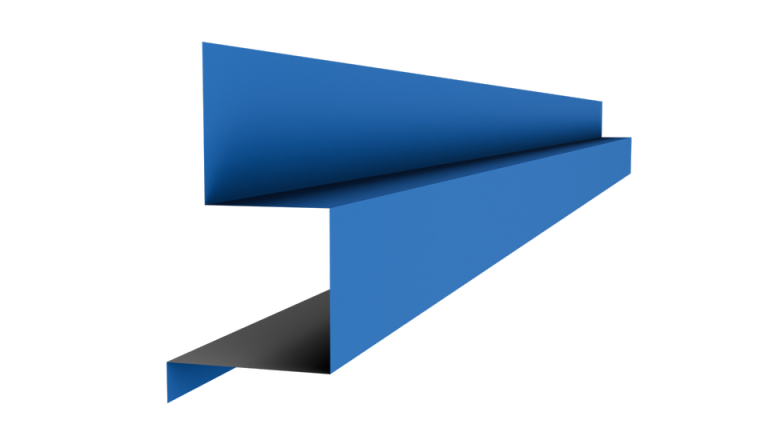
END WALL FLASHING
End wall flashing is crucial for preventing water damage and maintaining the integrity of structures with lean-to roofs that slope away from vertical walls, as it effectively directs rainwater away from vulnerable areas.
Explore More
BOX GUTTER
A Box Gutter efficiently collects rainwater and directs it through downpipe nozzles, ensuring effective drainage and preventing water damage to the building exterior. This system diverts water, protecting the structure.
Explore More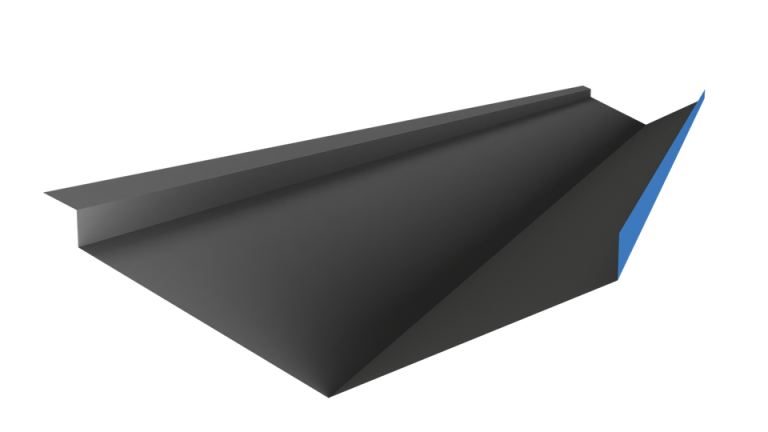
Valley Gutter
Valley gutters are installed at internal angles where roof sheets intersect or meet a wall slope to prevent leaks and efficiently channel rainwater away from vulnerable areas, ensuring roofing system durability.
Explore More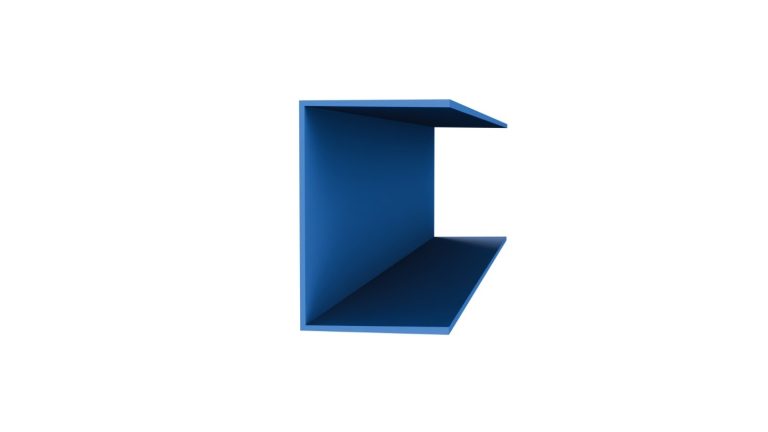
Bargeboard
A bargeboard is a board attached to the outer edge of a roof's gable to reinforce it, provide protection, and cover the exposed end of the roof's purlins.
Explore More